The recent U.S. military operation in Venezuela that removed President Nicolás Maduro from power has raised significant questions about international relations precedents, according to a Radford University political scientist.
Questions about connection between new leader and Trump
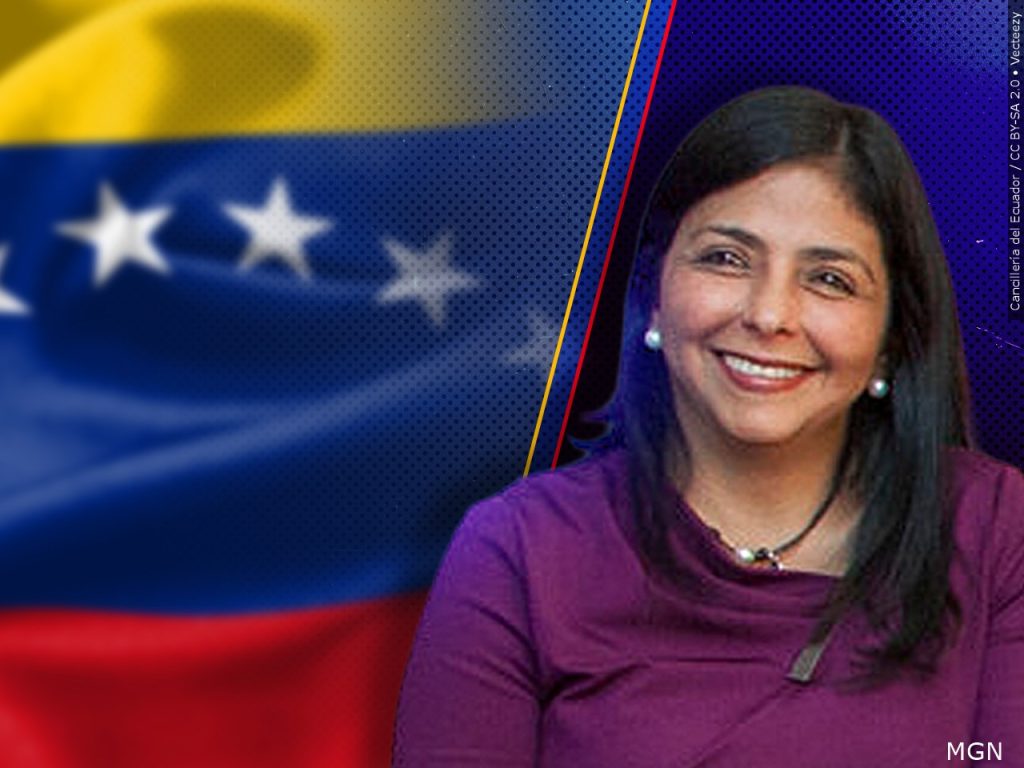
Delcy Rodriguez, who rose to interim president following the operation, previously directed Citgo to donate $500,000 to Donald Trump’s 2017 inauguration when she was Venezuela’s foreign minister. This connection has drawn attention, but Chapman Rackaway, chair of the Department of Political Science and acting chair of Sociology at Radford University, dismisses its significance.
“There are many more players that have been both consistently and apparently higher dollar contributors to Trump. So the line of connectivity between that contribution in 2017 and what’s going on now in 2026, that’s pretty thin,” Rackaway explained.
During her government career, Rodriguez built substantial influence, including significant control over Venezuela’s oil economy, which will be crucial as she leads the nation through this transition period.
Tech-inspired approach to foreign policy raises concerns
The Trump administration’s approach to the Venezuela situation demonstrates what Rackaway characterizes as a tech industry-inspired “move fast and break stuff” mentality. The operation escalated quickly from initial strikes to a full military intervention.
“We’re used to politics moving very slowly. The Trump administration does not move slowly,” Rackaway notes. “They start somewhere and then they escalate in a time frame that’s quicker than we’re normally used to seeing from a political administration.”
This accelerated timeline reflects the administration’s staffing with tech world veterans who operate at a pace much faster than traditional political processes, creating a stark contrast with established diplomatic norms.
Global security implications worry experts
While Maduro’s legitimacy has been widely questioned following disputed elections, Rackaway emphasizes that the method of his removal creates troubling implications for global politics.
“It’s not enough to say Maduro is a bad guy because there’s a lot of bad guys out there whose people are staying in office,” Rackaway warns. “If you believe in the idea of rule of law and constitutional sovereignty, then this is a really dangerous precedent.”
The concern extends beyond just American actions to what it signals to other world powers. Rackaway explains: “It’s not just a precedent that we’re setting for ourselves and what we do but what actors that we have less faith in doing. What does it empower them to do? If we as one of the world’s primary, if not the primary power in the world, are doing this, all the safeties are off.”
Potential test case for future actions
Rackaway suggests Venezuela may be serving as a test case for the administration, pointing to recent discussions about Greenland as potentially the next target of interest. This pattern raises questions about the administration’s broader foreign policy strategy.
The removal of a foreign leader without following established international processes for regime change creates what experts call a concerning precedent that could empower other nations to act unilaterally against perceived adversaries.
As the situation continues to develop under Rodriguez’s interim leadership, international relations scholars across southwestern Virginia are watching closely to see how this precedent might reshape global politics in the coming months.